
Eighteen Conversations, One Unexpected Education
I thought I was scheduling get-to-know-you meetings. What I was actually doing was slowly reshaping my understanding of health, partnership, and what system change requires.
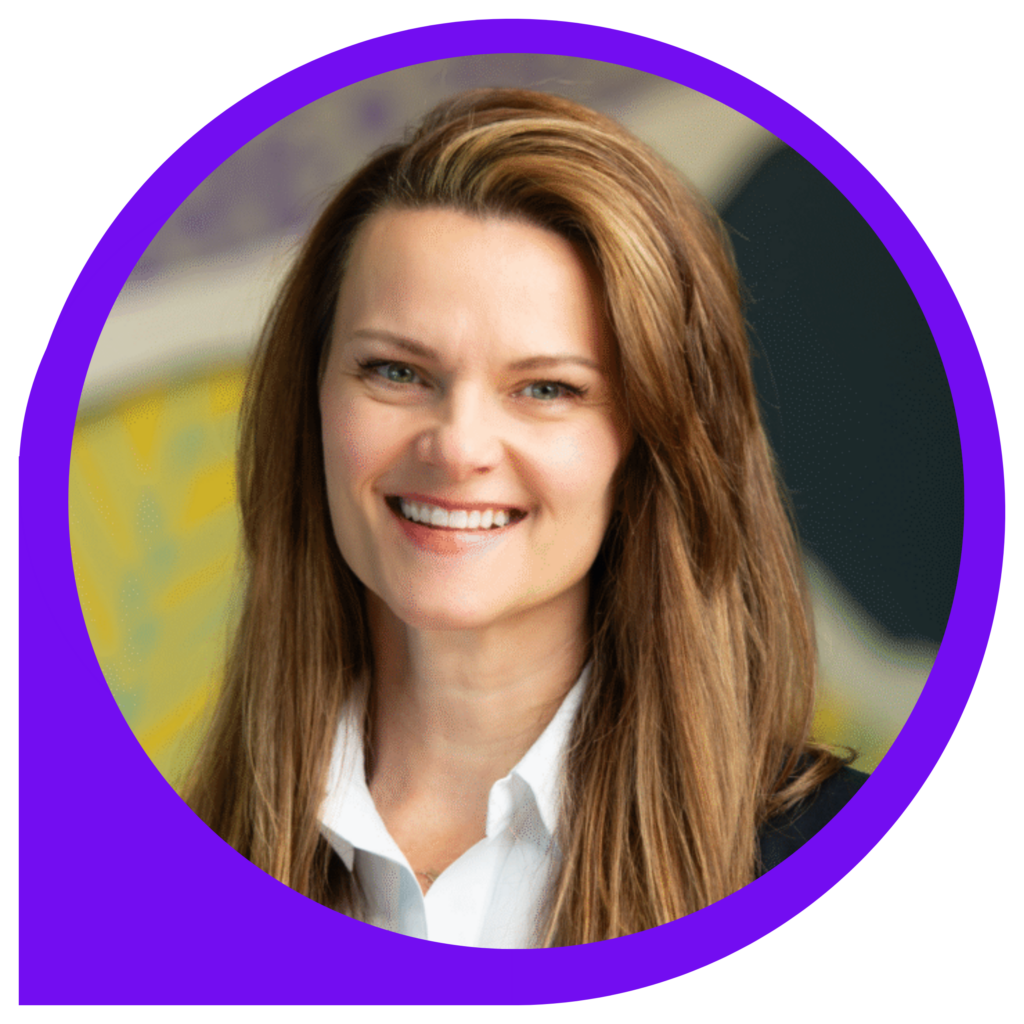
By Bethany Munshi, Director of Policy Strategies
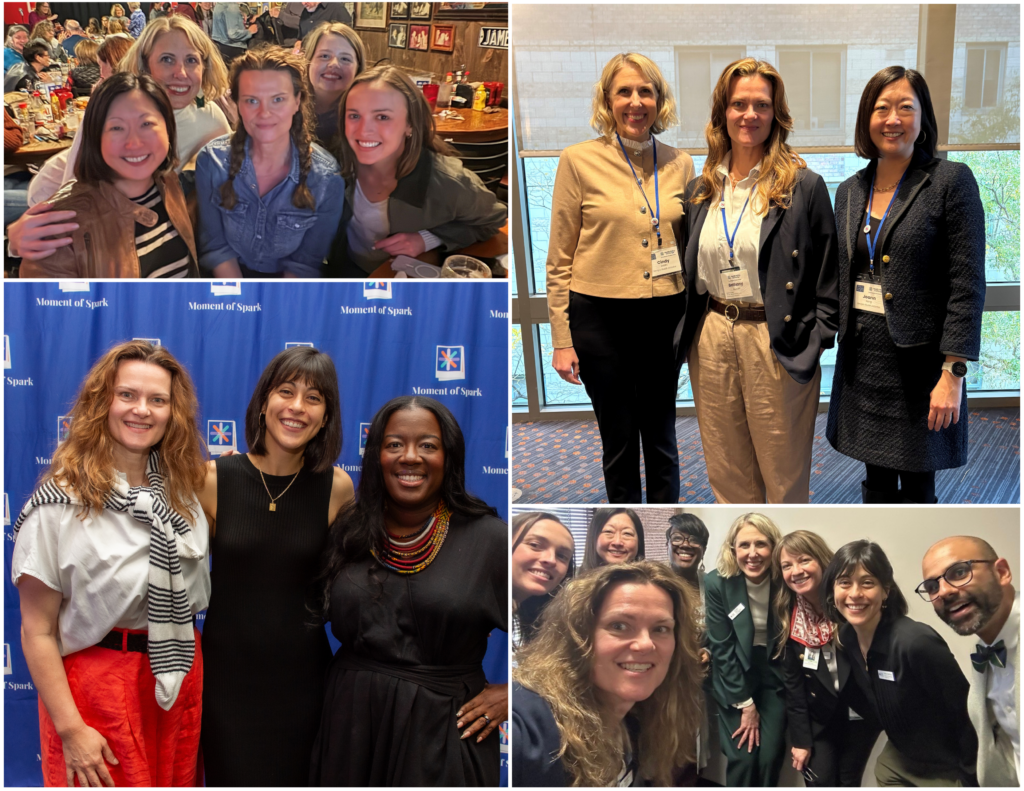
After joining the Initiative as Director of Policy Strategies last fall, in the first few months on the job I had the opportunity to sit down for a series of one-on-one meetings with representatives from 18 health advocacy grantee partners working across Georgia. This was the part of my onboarding that I was most excited about: reaching out to partners to introduce myself and meet together.
I didn’t want formal presentations or structured briefings. I wanted candid conversations to learn about advocacy work across the state, where systems fall short, what it takes to improve health in communities, and what meaningful partnership looks like in practice. What I expected to be routine, get-to-know-you partner meetings turned into something far more significant. The conversations challenged my assumptions and reshaped my understanding of health, what enables systems change, and partnership.
Health as a Journey, Not an End Goal
As a public health professional, I’d been trained to think about health as the absence of illness and as an end goal; health was to be measured by data defining optimal outcomes and highlighting gaps across different groups. These frameworks helped measure progress and direct resources, but I found them to feel incomplete.
What newly struck me in these grantee partner conversations was the range of entry points into advancing health. Partner organizations are focused on issues like early childhood education, housing stability, reentry support for women leaving incarceration, and economic stability. At first glance, these efforts can feel distinct and isolated, each addressing a specific issue, population, or tactic. But as I listened more closely, a different picture emerged. Each of these efforts contributes to a broader and more comprehensive approach to creating the conditions that make health possible.
I evolved beyond thinking about health as a definitive outcome. Instead, I began to see health as an ongoing journey, shaped by a complex system that determines what is possible for individuals and families. It is not something that can be advanced by any single intervention or sector. Improving the health of our communities requires enduring coordination and sustained effort to redesign our systems with fairness at the center.
What Collaboration Actually Requires
This realization shifted how I think about the Initiative’s role in facilitating both partnership and alignment. It is easy to say that collaboration is essential. It is much harder to fully live into what collaboration actually requires. Various partners addressing multiple parts of the health ecosystem are needed to create a healthy Georgia. While some partners may align more naturally, others differ in their focus or approach, which reflects the messy work of creating conditions that make health possible. These conversations taught me that partnering in health advocacy is not static and that it requires honest discussion and a constant resurfacing of humility to revisit one’s assumptions. That’s work we are investing in, and it’s work I’m committed to deepening.
Showing Up
I’ve come to learn that our effectiveness as an organization depends on how well we listen, how responsive we are to what we’re hearing, and how willing we are to adapt to evolving needs of community members. The journey of advancing health requires paths as varied as the communities, histories, and needs that define Georgia. There are many paths, each shaped by individual communities, priorities, and lived experiences.
After my series of introductory meetings, I came away with a deeper appreciation for the dedication of our partners, the complexity of health and advocacy, and a clearer sense of what serving as a partner in this work requires. Similar to health, partnership is not an end goal that we achieve once. It is something we continue to build through listening, reflection, and shared commitment. And for me, that ongoing process is where my work begins.